What Is a Balance Sheet? Explained Simply
A balance sheet gives business owners a clear snapshot of assets, liabilities, and equity. Understanding it helps companies make smarter financial decisions, improve financial visibility, and avoid costly mistakes regardless of industry or business size.
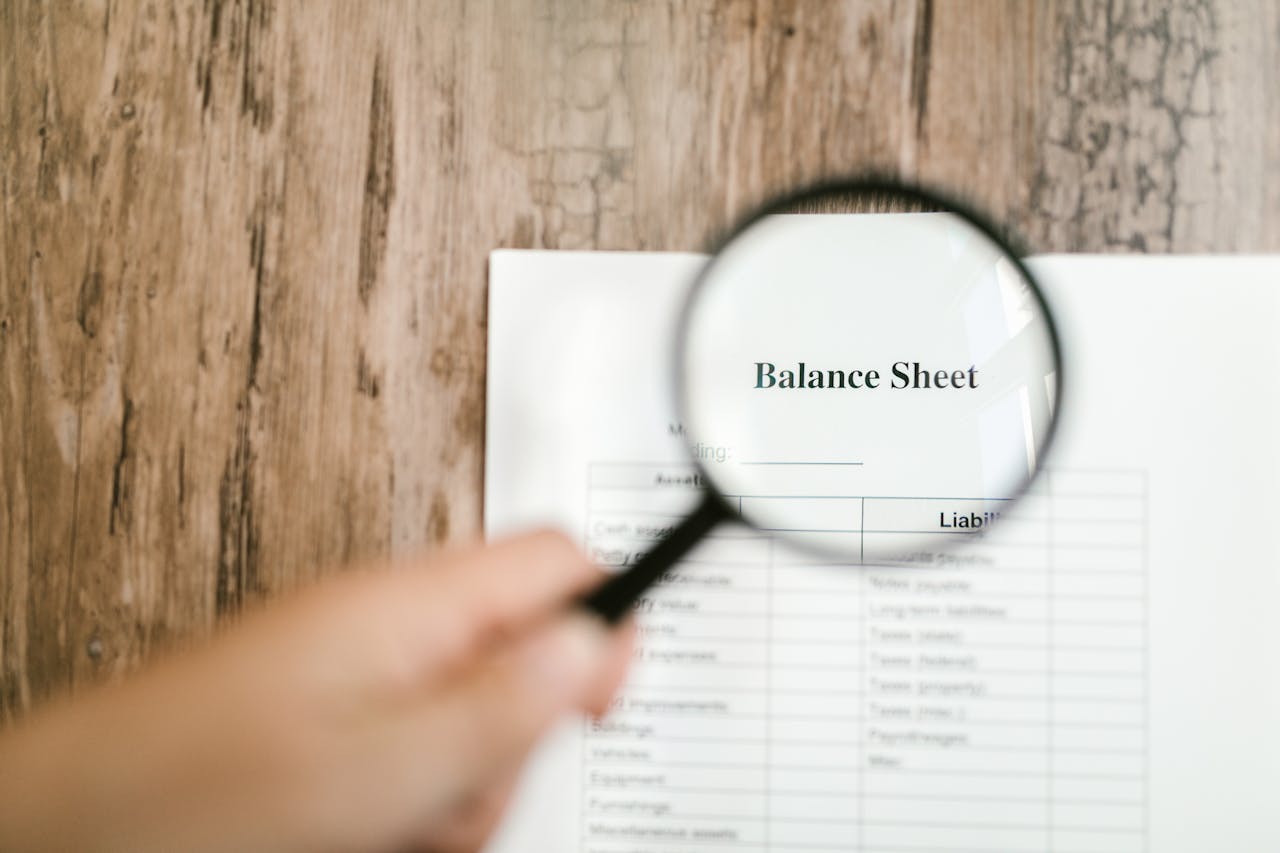

Most business owners know they should review their financial statements regularly, yet many still feel confused when looking at a balance sheet. The terminology can seem technical, and the rows of numbers often feel disconnected from day-to-day business operations.
In reality, a balance sheet is one of the most useful financial tools a company has. It provides a snapshot of what a business owns, what it owes, and what remains for the owner at a specific point in time.
Whether you run a startup, a construction company, a retail shop, or a professional practice in Canada, understanding your balance sheet can help you make smarter financial decisions and avoid costly blind spots.
What Exactly Is a Balance Sheet?
A balance sheet is a financial statement that summarizes a company’s financial position on a specific date. It is built around a simple accounting formula:
Assets = Liabilities + Equity
In plain language:
- Assets are what the business owns
- Liabilities are what the business owes
- Equity represents the owner’s share in the business
The reason it is called a “balance” sheet is that both sides must always balance mathematically. Think of it as a financial snapshot rather than a moving timeline. Unlike an income statement, which tracks performance over a period of time, a balance sheet reflects where the business stands at one exact moment.
Understanding Assets
Assets are resources the business owns that hold financial value. These can include:
- Cash in bank accounts
- Accounts receivable
- Inventory
- Equipment
- Vehicles
- Real estate
- Investments
Assets are generally divided into two categories:
Current Assets
These are items expected to be used, sold, or converted into cash within one year. Examples include:
- Cash
- Inventory
- Customer invoices waiting to be paid
Long-Term Assets
These are assets expected to provide value over multiple years. Examples include:
- Buildings
- Machinery
- Company vehicles
- Large equipment
Strong asset management is important because it directly affects liquidity, borrowing ability, and overall financial stability.
What Are Liabilities?
Liabilities represent money the business owes to others. This may include:
- Business loans
- Credit cards
- Payroll obligations
- Taxes payable
- Supplier invoices
- Equipment financing
Like assets, liabilities are categorized.
Current Liabilities
These are obligations due within one year.
For example:
- Short-term loans
- Payroll remittances
Long-Term Liabilities
These are debts extending beyond one year.
Examples include:
- Commercial mortgages
- Vehicle financing
- Long-term business loans
Monitoring liabilities carefully is essential because excessive debt can create cash flow pressure even in profitable businesses.
What Does Equity Mean?
Equity represents the owner’s remaining interest in the company after liabilities are deducted from assets. If a business sold all assets and paid all debts, equity is theoretically what would remain for the owner.
Equity may include:
- Owner investments
- Retained earnings
- Share capital
- Business profits kept within the company
A growing equity balance often signals a financially strengthening business.
Why a Balance Sheet Matters
Many business owners focus heavily on revenue while overlooking balance sheet health. But profitability alone does not always tell the full story. A company can generate high sales while still struggling with:
- Cash shortages
- Excessive debt
- Weak liquidity
- Poor collections
- Overleveraged financing
The balance sheet helps uncover these issues early. It gives insight into:
- Financial strength
- Debt levels
- Working capital
- Operational efficiency
- Borrowing capacity
- Long-term sustainability
Banks, investors, and lenders also rely heavily on balance sheets when evaluating businesses.
A Simple Real-World Example
Imagine a contractor owns:
- $80,000 in equipment
- $40,000 in cash
- $30,000 in unpaid customer invoices
That creates total assets of $150,000. Now imagine the business also owes:
- $50,000 in equipment loans
- $20,000 in supplier invoices
That creates total liabilities of $70,000. The remaining $80,000 represents owner equity. This example may seem basic, but it illustrates how balance sheets reveal the true financial position of a business.
Balance Sheets Help With Better Decision-Making
Reviewing balance sheets regularly allows businesses to make more informed decisions instead of relying on assumptions.
For example, a balance sheet can help answer questions such as:
- Is the business carrying too much debt?
- Are customers paying invoices on time?
- Is inventory growing too quickly?
- Does the company have enough cash reserves?
- Is expansion financially realistic?
Without this visibility, business owners may unknowingly make decisions that strain cash flow or increase financial risk.
Common Mistakes Business Owners Make
Many businesses fail to use balance sheets effectively because records are inaccurate or outdated.
Common issues include:
Poor Bookkeeping
Incorrect bookkeeping creates unreliable financial reports.
Ignoring Accounts Receivable
Unpaid invoices may inflate revenue while cash flow remains weak.
Overlooking Debt Levels
Businesses sometimes focus only on income while liabilities quietly increase.
Not Reviewing Reports Regularly
Financial statements should not be viewed only during tax season. Accurate reporting is essential for meaningful financial analysis. For this, it is best to hire professional tax planning and compliance services.
Balance Sheets Are Essential for Growth
As businesses expand, financial complexity increases.
Growth often brings:
- Larger payrolls
- Equipment purchases
- Financing arrangements
- Additional inventory
- Higher operating costs
A balance sheet helps owners understand whether the business can realistically support expansion without creating financial instability.
It also becomes increasingly important when seeking:
- Commercial financing
- Investors
- Partnerships
- Business acquisitions
Strong balance sheets often create stronger growth opportunities.
How We Help Businesses Stay Financially Organized
At Spectrum CPAs, we work closely with businesses across Canada to help owners better understand their financial position and make confident decisions backed by accurate reporting. Our team provides business & NPO bookkeeping, financial reporting, corporate tax planning, and professional tax services designed to support both compliance and long-term growth.
We believe financial statements should be practical tools that help business owners gain clarity — not confusing reports that sit untouched. Whether you need support with tax planning, bookkeeping, or overall financial management, we are here to help simplify the numbers and support your business goals.
Contact us today to learn how Spectrum CPAs can help support your business with reliable accounting and tax solutions.
Need expert help with your taxes?

Similar Blogs

How Chiropractors Can Reduce Taxes Through Better Compensation Planning
The way chiropractors structure their compensation can have a greater impact on tax savings than claiming additional deductions. Choosing the…